The Third Tee Holds a Rhythm of Its Own
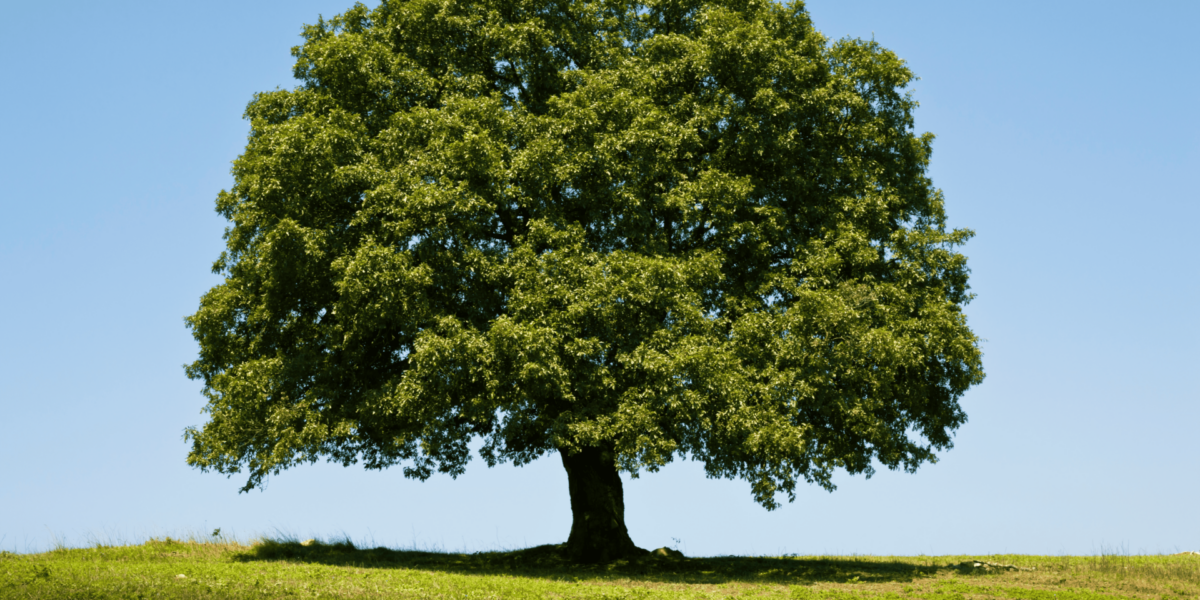
Every course has a tee box that feels different. At Beaufort Golf Club, the third tee sits beneath a wide oak tree. Its location, framed by limbs and filtered light, creates a pause between the opening stretch and the heart of the round. Players step into this space with the round already in motion, carrying both momentum and questions.
Shadows Cast Strategy Across the Fairway
The oak stretches over the tee box and casts long shadows across the fairway. These shadows shift with the time of day, altering depth and focus. Golfers must factor in lighting when lining up their drive. The contrast between open sky and heavy branches shapes how each player sees their path forward.
The Setting Affects Shot Selection
Under the oak, the environment creates subtle pressure. The quiet feels heavier. Wind patterns change direction near the tree line. Players often adjust their stance, grip, or club choice here. The third tee doesn’t favor power; it rewards calculation. Each decision carries weight.
Conversations Feel Different Under the Tree
Players talk more softly beneath the oak. The setting encourages observation. Teammates share advice in shorter phrases. Solo players stay quiet, absorbing the details around them. This tee box becomes a place of reflection as much as action. The oak listens but doesn’t echo.
Missed Shots Begin a Different Type of Round
A poor drive off the third tee often leads into trouble. The rough thickens just beyond the fairway, and recovery shots demand skill. A misstep here resets a player’s tempo. Those who recover well lean into patience. The tree doesn’t forgive, but it doesn’t rush, either.
The Tree Marks a Shift in Course Design
From hole three forward, the course demands more from players. Elevation changes. Greens get faster. Bunkers sit closer to landing zones. The oak marks this shift without words. Those who notice its presence often notice the increased focus needed from this point on.
Time Slows Before the Swing
Beneath the branches, players take more time. Practice swings become more deliberate. Breathing steadies. The oak isn’t a hazard, but it creates a boundary. It separates early rhythm from mid-round concentration. A good shot here sets the pace for the holes that follow.
Weather Tells a Different Story at the Tree Line
Rain sounds different under the oak. Sunlight breaks through in streaks. On windy days, leaves move before the flag does. The tree becomes a barometer. Players who pay attention here understand more than the yardage. They adjust based on what the oak reveals.
Stories Collect Where Players Pause
The third tee is where rounds shift direction. Victories begin here, and recoveries take root. Players return to the clubhouse later and mention the oak without needing to explain. It becomes shorthand for a turning point, known only to those who’ve played through it.
The Oak Becomes Part of the Player’s Memory
Beaufort’s third tee doesn’t just challenge—it stays with you. The shape of the branches, the slope beneath your feet, the silence before your swing—all return when you least expect them. Beneath the oak, the game becomes something deeper. It becomes part of you.